
The EMRTAI: Helping technology developers and scientific practitioners overcome key barriers to advance technologies to recover critical minerals
July 15, 2026
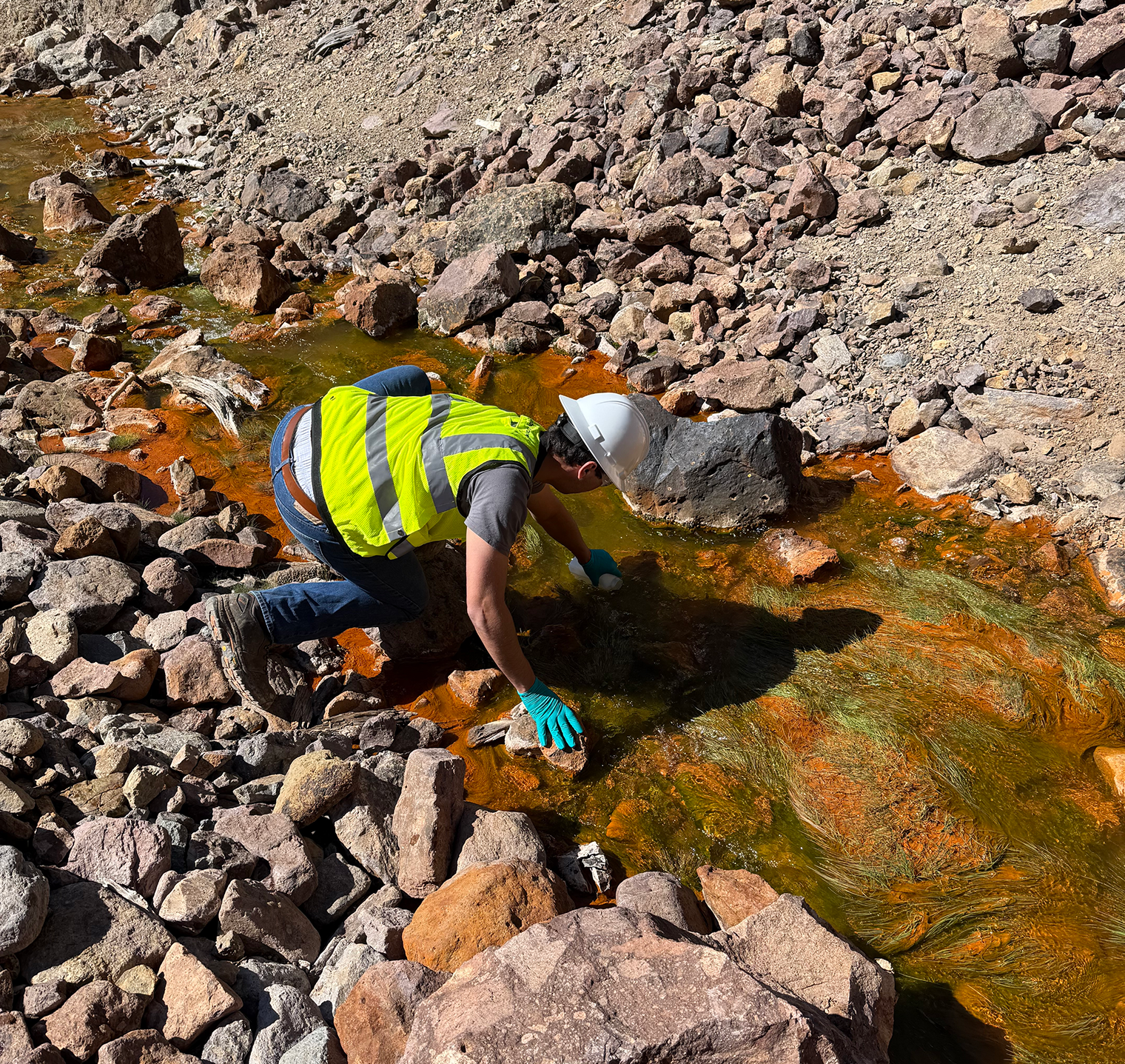
Collection of mine-influenced water at Nelson Tunnel, Colorado.
The Environmental Monitoring and Remediation Technology Assessment Initiative (EMRTAI) is a U.S. Environmental Protection Agency (EPA)-funded initiative that advances technologies for characterizing and recovering critical minerals from waste materials at Superfund legacy hardrock mine sites. It is led by Battelle, an independent, non-profit applied science organization through a cooperative agreement with EPA’s Office of Land and Emergency Management and Office of Mountains, Deserts, and Plains.
Launched in 2023, the initiative confronts and eliminates key barriers that stand in the way of commercializing and implementing technologies for recovering critical minerals. These obstacles include access to real mining waste as feedstock and credible, publicly available performance data that can be used to further technology advancement, selection, and ultimately, implementation. Technology developers participating in the program consistently cite these two barriers, along with EMRTAI’s technology assessment framework that is designed to overcome them, as their primary reason for applying.
EMRTAI’s goal is to generate independent performance data that regulators, investors, technology developers, and other stakeholders need to make informed decisions about potential selection and implementation of critical mineral recovery technologies at a site, especially one that is undergoing remediation following legacy mining. Working directly with technology developers, EMRTAI applies program funding to bench-scale and pilot-scale demonstrations using real mine waste feedstocks. Tailings, chat, waste rock, slag, contaminated soils, acid mine drainage, and mining-influenced water from legacy sites across the United States provide the materials needed by technology developers to transition from synthetic to real feedstocks and/or de-risk their technology.
What is most notable about the initiative, however, may be its sources for the mining waste materials it uses for technology assessments. They come directly from U.S. EPA Superfund sites. The materials are frequently the focus for remedial action while at the same time representing an opportunity as a source of metals that are needed in developing the U.S. supply chain.
“Using source materials from Superfund sites represents an opportunity to technology developers and a benefit to legacy mine site cleanups as we look to the future. Technology developers grow increasingly knowledgeable about CERCLA and site remediation while the EMRTAI Team works to identify and characterize potential feedstocks at sites for use in demonstrating the capabilities of each technology. We are bringing together diverse stakeholders - a process that ideally drives resource recovery, waste reduction, and site remediation forward together,” EMRTAI Program Manager Jana Heisler-White
What does it do?
EMRTAI’s technology assessment framework leverages Superfund legacy mining and mineral processing sites as testbeds and EPA’s Quality Standards program to guide technology testing plans and data collection during demonstrations. From its inception, the initiative integrated stakeholders in its operational framework, explicitly recognizing the needs of technology developers and bringing together the vast “user” community. The unique opportunity to support the development of the U.S. supply chain for critical minerals through reprocessing and remediation of waste materials represents a new approach to sustainability in mineral resource development.
The operational model of EMRTAI is unique, in that funding is not directly awarded to technology developers. Instead, EMRTAI facilitates the entire process of a technology demonstration from identification and selection of the appropriate site/feedstock to the publication of a report and performance statement that overviews the technology and summarizes the testing design, data, and results. To further bridge the gap between the early stages of technology development and the endgame of deployment, EMRTAI convenes Technical Panels with stakeholders from mining, remediation, and regulatory agencies to align assessment parameters of technologies that potential users of the technology would consider during decision-making. While parameters like percent recovery and purity of a product are important, so too are operational parameters like waste materials produced, electrical and/or water requirements, chemicals used, residence time, etc. With all these data, technology demonstrations are not assessments or “grading” of a technology but rather serve as a broad base of information to be wholistically considered in using a technology for a particular feedstock at a particular site. They also provide information as to how a technology might be integrated into a treatment train that accounts for metals requiring treatment to address remedial action objectives.
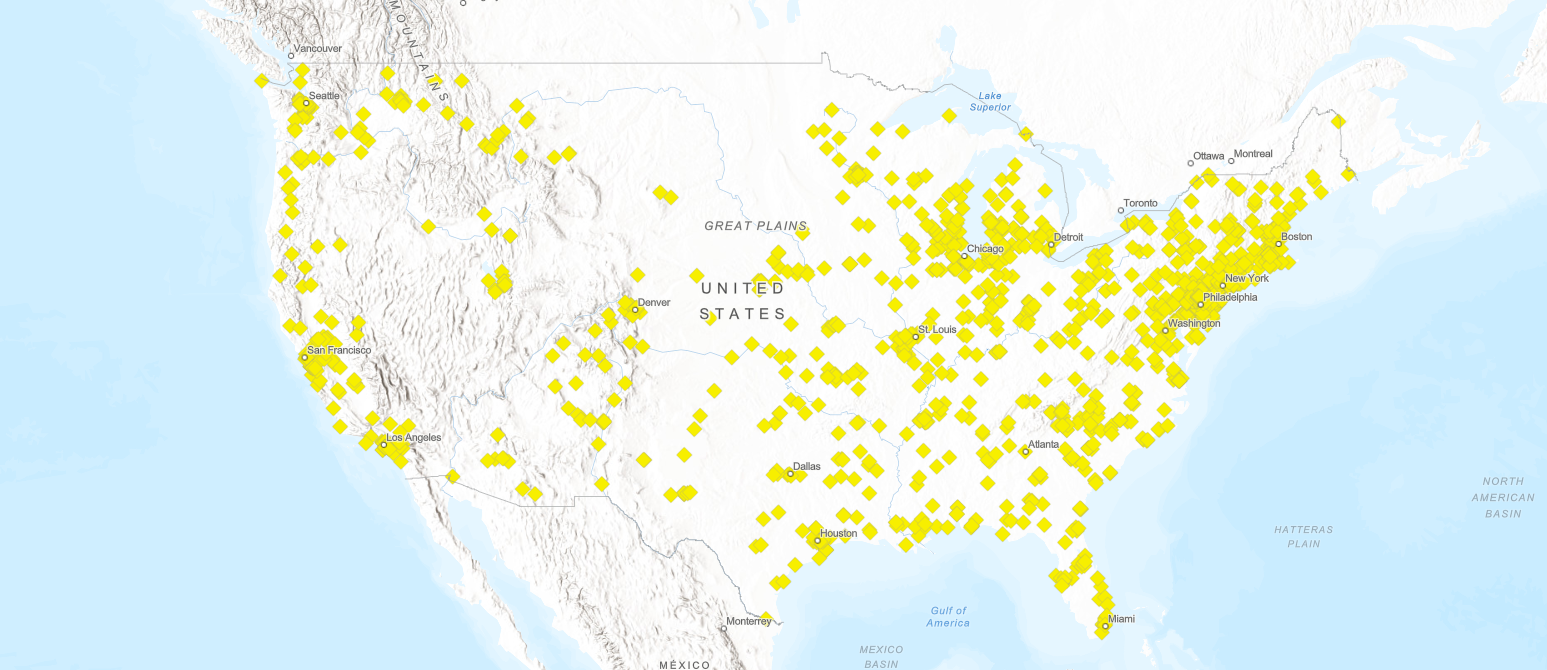
Map of EPA’s Superfund National Priorities List. Produced by the U.S. EPA.
An Overlooked Resource
As many as 500,000 abandoned hardrock mines are believed to exist on public and private lands across the United States, according to the Bureau of Land Management, with many more yet to be identified. There are more than 100 legacy mine or mineral processing sites are on EPA's Superfund National Priorities List in various stages of remediation. These sites were originally mined for gold, copper, silver, and lead, among other metals, or were used for mineral processing. The minerals that today power advanced technology, including rare earth elements, cobalt, manganese, tellurium, and germanium, were left behind because they were unrecognized, unprofitable, or technologically infeasible to extract at the time.
Research by the U.S. Geological Survey (USGS) and the Department of the Interior (DOI) confirms the resource potential in mining and mineral processing waste. According to the DOI, the Coeur d'Alene silver mining site in Idaho contains approximately $2.5 billion worth of minerals, including antimony and arsenic. At the Tar Creek Superfund site in Oklahoma, legacy lead and zinc mining left behind waste rich in germanium and zinc, two minerals for which the United States relies heavily on imports. USGS studies at the Bingham Canyon mine in Utah have found that significant amounts of tellurium, used in defense technologies and electronics, end up in tailings during copper processing.
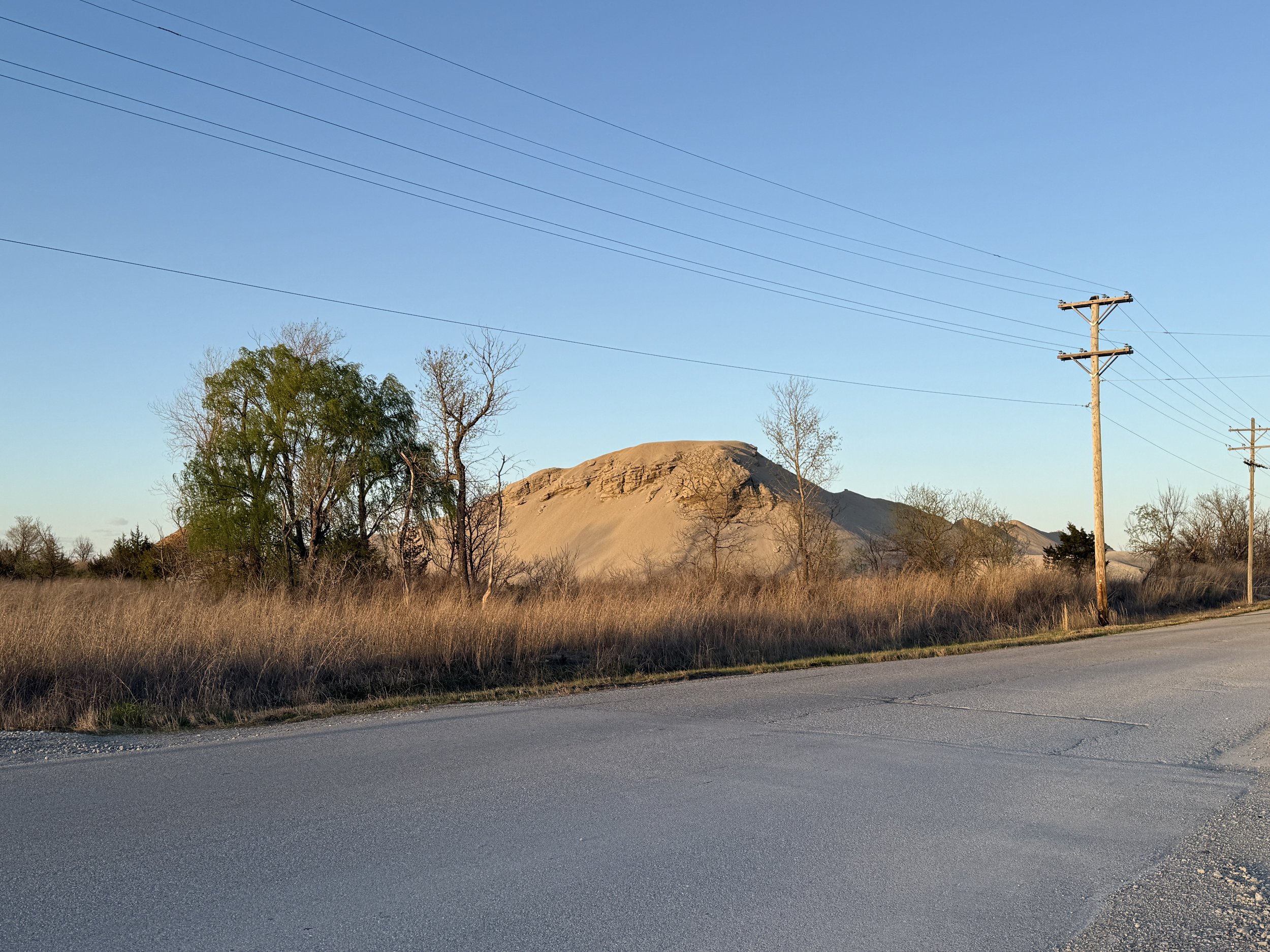
Chat pile at Tar Creek, Oklahoma.
How EMRTAI Supports Technology Advancement
EMRTAI replaces self-reported results with independent assessments conducted under rigorous Quality Assurance Project Plans (QAPPs) that follow EPA’s Quality Standards. Each technology assessment follows a consistent framework, utilizing standardized metrics including percent recovery, product purity, contaminant treatment, and waste characterization, amongst a suite of other operational considerations that are important in considering a technology for implementation. Technical Panels of experts from across the mining, mineral processing, and remediation industries peer-review QAPPs and technology assessment reports before they are published in the public domain. The process is open and transparent. The resulting data are intended to be useful to diverse stakeholders (including regulators) so that they can be applied to decision-making. Technology developers are provided with a 2–3-page performance statement, which provides a summary of the technology assessment results
Filling the Characterization Gap
In addition to recovery technologies, EMRTAI technology assessments have focused on existing commercial approaches for characterizing solid mining and mineral processing waste materials. While most Superfund sites have been characterized for contaminant metals that have the potential to pose risk to human health and/or the environment, characterization data for critical minerals that are not typical risk drivers, such as rare earth elements or platinum group metals are limited. EMRTAI’s field portable x-ray fluorescence (FPXRF) assessments are benchmarking field screening tools against laboratory reference methods and evaluating how sample preparation and site calibration affect accuracy. These tools can enable rapid, low-cost site screening at a national scale, transforming the pace at which legacy sites are assessed for recovery potential.
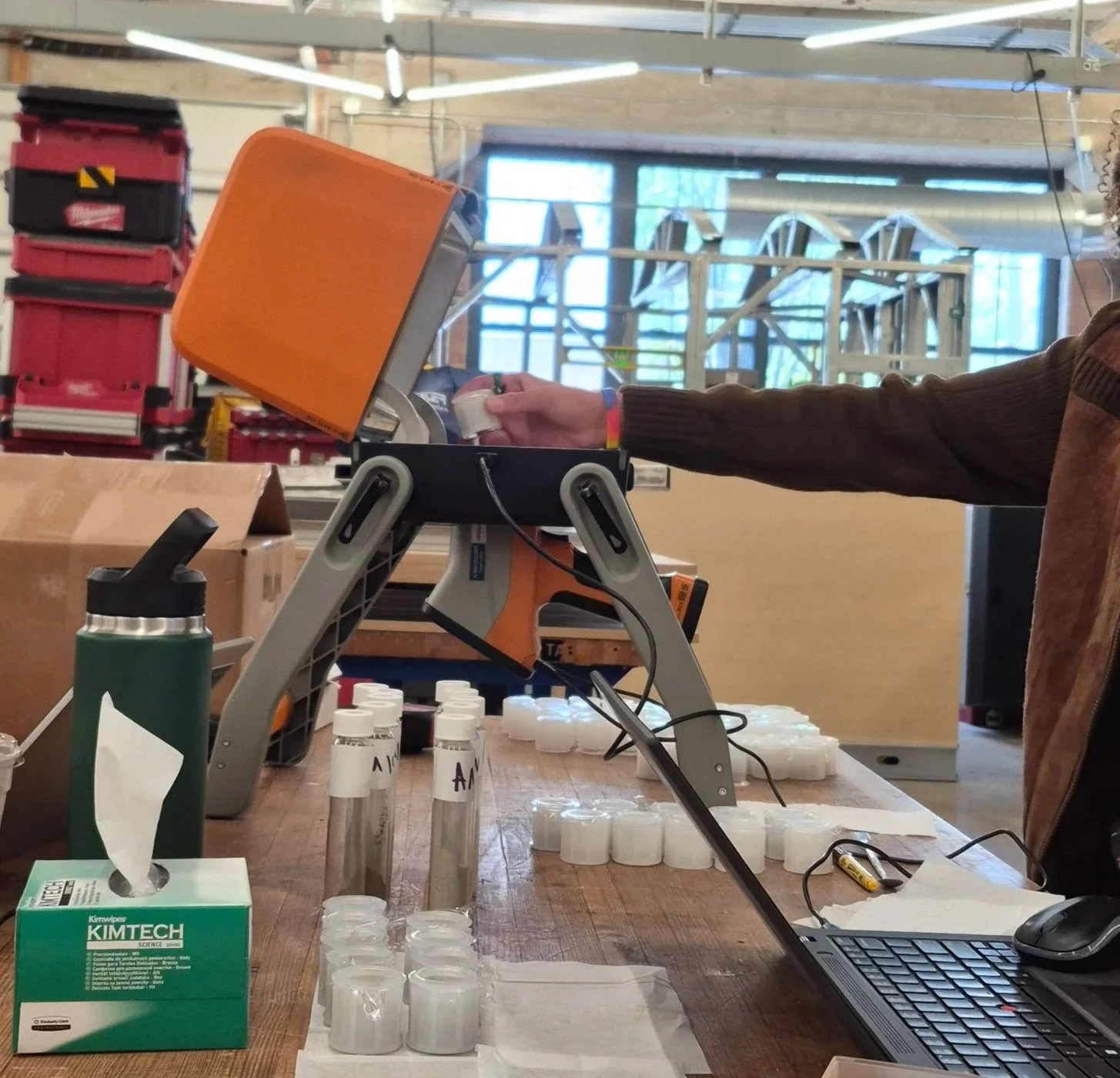
Technology assessment taking place in a lab in Chicago, Illinois using samples collected by the EMRTAI.
Diverse Technology Portfolio
A successful U.S. critical minerals supply chain that includes treating waste materials to reduce risk to human health and the environment requires a diverse portfolio of technologies. To this end, EMRTAI technology assessments do not “grade” technologies but instead generate reports that demonstrate performance of a particular technology at a stage of development with a specific feedstock. This approach is intended to foster and create a community of technology developers and users focused on CM resource recovery while reducing risk to human health and the environment. Many of the technology developers accepted into EMRTAI have technologies at a technology readiness level (TRL) from 3-6. Using waste materials that have complex chemistries and/or mineralogy at an early stage of development is essential in advancing to commercialization in the future.
Making Progress
As of July 2026, EMRTAI has completed three calls for applications and accepted more than 10 technology developers into the program. These technology developers are demonstrating technologies for both recovery and rapid screening of mining waste for critical minerals, including REEs, cobalt, manganese, nickel, copper, gold, among other critical minerals recognized by U.S. federal agencies.
Moving towards the future
The U.S. is working steadily to build a critical minerals supply chain through efficient use of existing feedstocks and federal funding to advance technologies across the country. Clean-up of legacy mine sites in parallel represents a win-win situation. EMRTAI’s mission in advancing CM recovery technologies helps the U.S. move towards a future of independence in mineral production while restoring sites that supported industrialization in the past.